Plant 3D Spec and Catalog Creation
Creating a custom spec and catalog for a MEP system using Plant 3D.
Project Details
At T.G. Gallagher, we had a frustrating problem with our Plant 3D workflow. The software came with generic pipe specs and part catalogs, but none of it matched what we actually used for refrigeration systems. Engineers would design everything with standard parts, then when it came time to build, the fabrication team had to translate all of it into our actual suppliers' components. This meant a lot of guessing, wrong orders, and delays waiting for the right parts. My boss asked me to fix the issue by setting up custom Plant 3D specs and catalogs with the real parts we used so designs would actually match what got installed.
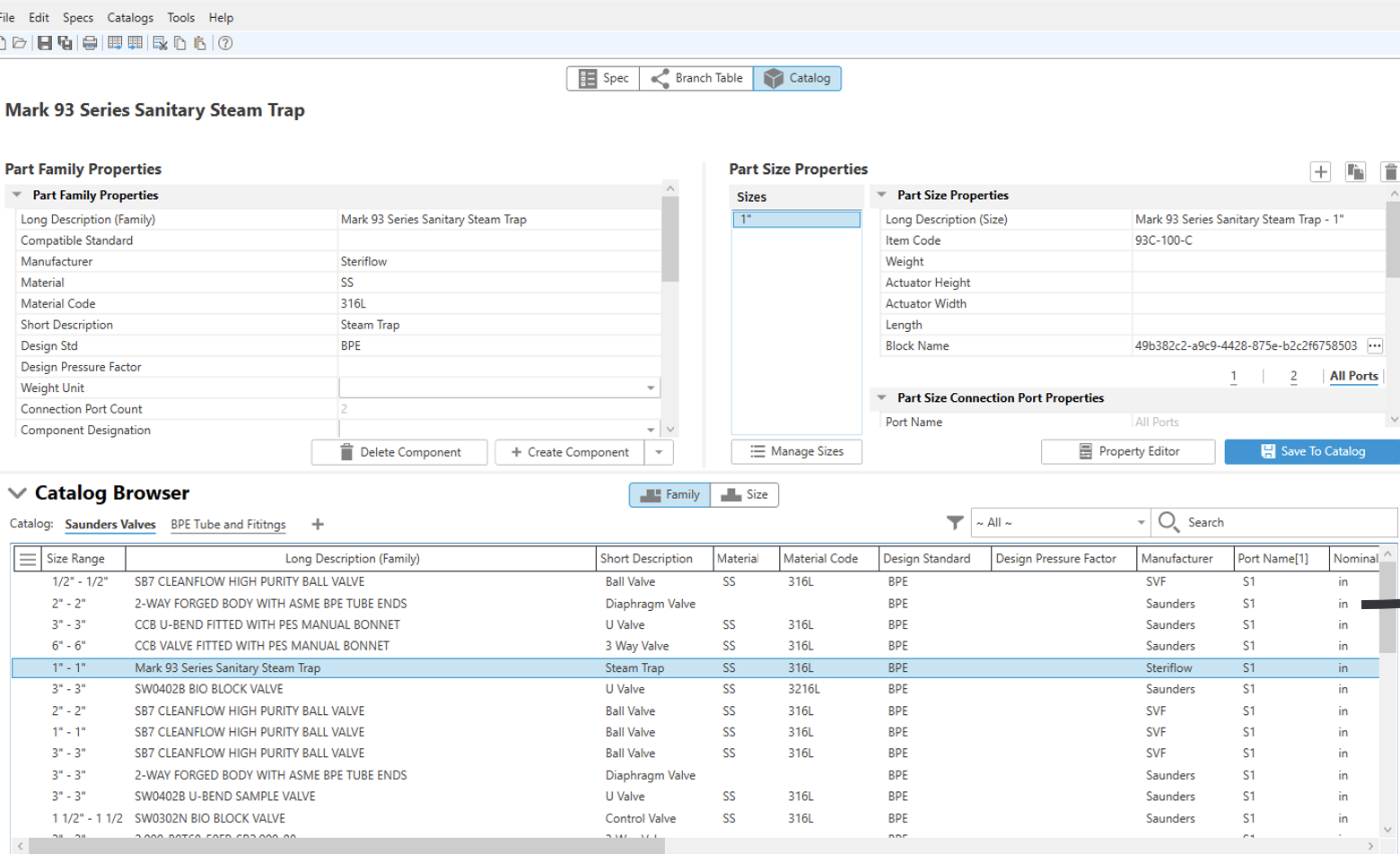
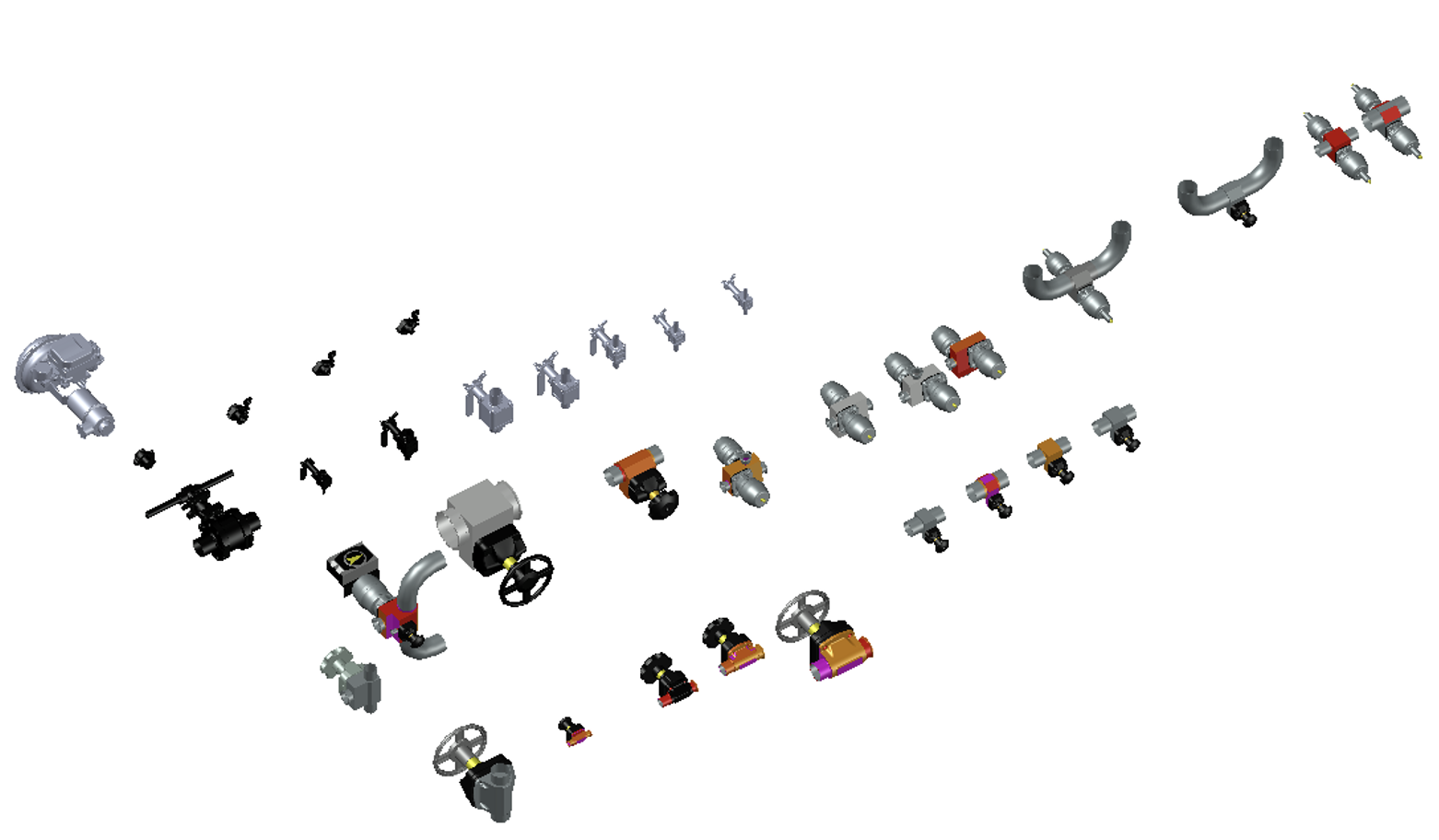
First, I talked to the project managers and guys who'd been in the field to figure out exactly which manufacturers and parts we used regularly—specific copper tube sizes, fitting types, valves, all the refrigeration-specific stuff. Then I had to figure out Plant 3D's spec editor, which was honestly kind of a pain to learn. The software organizes everything by piping class, pressure ratings, and temperature ranges, and you have to link manufacturer parts to the right specs. Getting all the part numbers, sizes, and connection types entered correctly took forever. I grabbed data from manufacturer websites, checked it against old project submittals, and built test piping layouts to make sure everything actually fit together right. When I couldn't find certain specs, I just called our suppliers and asked them directly.
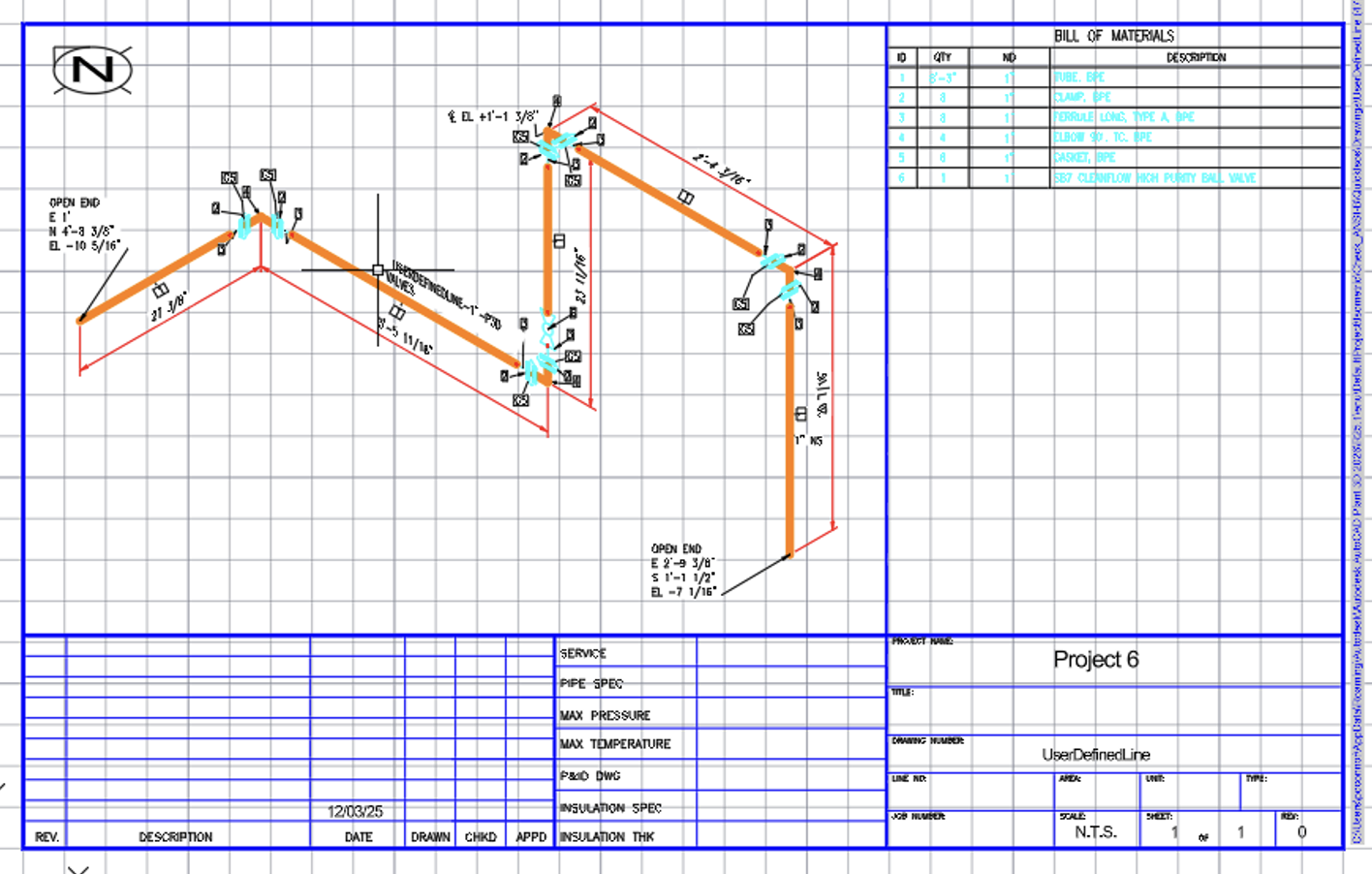
Once I had everything set up, I created a few test projects to make sure the specs and catalogs worked the way they were supposed to. I built out a small refrigeration system with all the correct parts, then ran a bill of materials to make sure the quantities and part numbers matched what we actually ordered. The feedback from the team was really positive. They liked being able to just grab the right parts from the catalog instead of having to look them up separately. It also meant that when the engineers designed something, we knew right away if it was going to work with our actual system.
This project ended up becoming the standard for how we handled Plant 3D specs on all our projects. It saved us a ton of time and frustration, and it made our designs much more accurate. It also taught me a lot about how important it is to have good data in your BIM models. If the specs and catalogs aren't right, the whole workflow falls apart. That's when I realized that BIM is only as good as the information that goes into it.
← Back to Home